
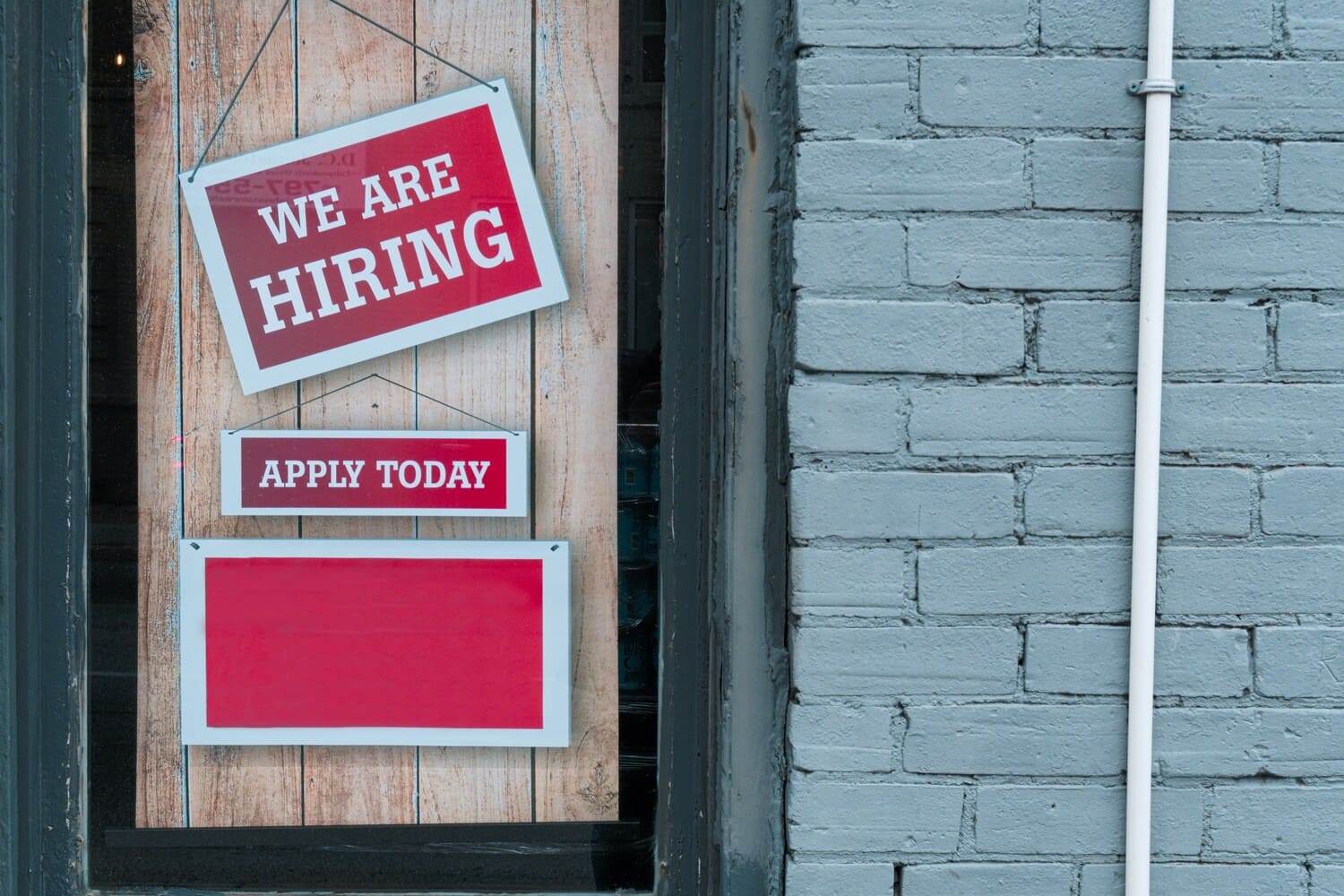
Interview preparation is often the difference between a confident candidate who gets the offer and one who stumbles. Knowing how to prepare for a job interview reduces stress, sharpens your answers, and helps you present your best self. This guide gives you a step-by-step preparation plan — from one week before to the day of — so you walk in ready. For deeper tips on questions, the STAR method, and follow-up, see our complete interview tips guide.
Why Interview Preparation Matters
Candidates who prepare consistently perform better. Preparation helps you:
- Answer confidently — no fumbling or vague responses
- Show you're serious — researched candidates stand out
- Reduce anxiety — structure replaces uncertainty
- Make a smart choice — you can evaluate the company, not just impress them
- Handle curveballs — tough questions feel less surprising
Pro Tip: Dedicate 3–5 hours total to preparation. Split it across several days to avoid last-minute cramming.
One Week Before: Research & Content Prep
Start early so you have time to absorb information and refine your stories.
1. Research the Company
| What to Learn | Where to Look |
|---|---|
| Mission, values, culture | Company website, "About Us", Careers page |
| Products, services, customers | Main site, case studies, press releases |
| Recent news, funding, growth | Google News, Crunchbase, LinkedIn |
| Leadership and team | LinkedIn, "Team" or "People" pages |
| Reviews and reputation | Glassdoor, Blind (for tech) |
| Competitors | "[Company] vs [competitor]" search |
Goal: Understand what they do, who they serve, and what challenges they face. Jot down 2–3 specific facts you can reference in the interview.
2. Analyze the Job Description
- Print or save the job posting
- Highlight required skills, responsibilities, and nice-to-haves
- Match each requirement to an experience or achievement from your background
- Prepare at least one concrete example per key skill
3. Prepare Your Stories (STAR Method)
Most interviews include behavioral questions. Prepare 5–7 stories using STAR (Situation → Task → Action → Result):
- Leadership or initiative
- Conflict resolution
- Failure and what you learned
- Teamwork
- Tight deadline or pressure
- Innovation or problem-solving
- Working with a difficult stakeholder
Write brief notes for each — you don't need to memorize word-for-word, but know the flow.
4. Craft Your Elevator Pitch
Practice "Tell me about yourself" — 60–90 seconds:
- Present: Who you are, current role, years of experience
- Past: Key achievements, relevant background
- Future: Why this role and company excite you
Say it out loud until it feels natural.
5. Prepare Questions to Ask
Come with 5–7 questions. Examples:
- "What does success look like in the first 90 days?"
- "What's the biggest challenge the team is facing right now?"
- "How would you describe the team culture?"
- "What do you enjoy most about working here?"
- "What are the next steps in the process?"
Avoid salary and benefits in the first interview — save those for later rounds or the offer stage.
One Day Before: Logistics & Final Run-Through
1. Confirm Details
- Time (and time zone for remote interviews)
- Format: In-person, phone, video (Zoom, Google Meet, Teams?)
- Duration
- Names of interviewers (if shared)
- Address or meeting link
2. Test Tech (for Video Interviews)
- Camera and microphone
- Internet connection (wired preferred)
- Lighting (face a window or use a lamp)
- Background (clean or use blur)
- Join a test meeting to verify everything works
3. Prepare Materials
- Printed resumes (2–3 copies) for in-person
- Notepad and pen for notes
- Questions printed or on a second screen
- Water (optional but helpful)
4. Review Your Notes
- Skim company research
- Re-read job description
- Run through your STAR stories and elevator pitch once
- Don't cram — light review is enough
5. Plan Your Outfit
- Choose something one step above the company dress code
- Lay it out the night before
- For video: solid colors often work better than busy patterns
6. Get Enough Sleep
A rested mind performs better. Aim for 7–8 hours.
Day of the Interview: Last-Minute Checklist
2–3 Hours Before
- Eat a light meal — avoid feeling sluggish or hungry
- Use the bathroom, especially before a long or back-to-back session
- Do a quick tech check for video interviews
30–60 Minutes Before
- Find a quiet space (for phone/video)
- Silence phone notifications
- Have water nearby
- Review your questions and elevator pitch one more time
- Take a few deep breaths or a short walk to calm nerves
5–10 Minutes Before (Video)
- Join the meeting 2–3 minutes early (not too early)
- Check camera angle (eye level) and framing
- Smile — it comes through in your voice and posture
For In-Person
- Leave early to account for traffic
- Arrive 5–10 minutes early (not 30 — that can feel awkward)
- Turn off phone or put it on silent
Mental Preparation: Calm Your Nerves
Before You Walk In
- Reframe nerves — some tension is normal and can sharpen focus
- Breathe — 4 seconds in, 4 seconds hold, 6 seconds out
- Power pose — stand tall for 2 minutes to boost confidence
- Remind yourself — you've prepared; you belong in this conversation
During the Interview
- Listen fully before answering — it's okay to pause and think
- Take your time — a short silence is better than a rushed answer
- Be yourself — authenticity matters as much as polish
What Not to Do When Preparing
| Mistake | Better Approach |
|---|---|
| Cramming the night before | Spread prep over several days |
| Memorizing answers word-for-word | Know your stories; speak naturally |
| Ignoring the company | Research enough to ask specific questions |
| Only focusing on yourself | Prepare questions to evaluate them too |
| Skipping tech rehearsal | Test video/audio the day before |
| Showing up late | Plan buffer time; aim to arrive early |
| Forgetting to follow up | Send a thank-you email within 24 hours |
Final Preparation Checklist
One Week Before
- ✅ Researched company (mission, products, news, culture)
- ✅ Analyzed job description and matched to your experience
- ✅ Prepared 5–7 STAR stories
- ✅ Practiced "Tell me about yourself" (60–90 sec)
- ✅ Prepared 5–7 questions to ask
One Day Before
- ✅ Confirmed time, format, and location/link
- ✅ Tested video setup (if applicable)
- ✅ Prepared materials (resume, notepad, questions)
- ✅ Chose and laid out outfit
- ✅ Got enough sleep
Day Of
- ✅ Ate, hydrated, used bathroom
- ✅ Arrived or logged in 5–10 minutes early
- ✅ Phone on silent
- ✅ Breathed and stayed calm
Next Steps: After the Interview
Preparation doesn't end when the interview does. Within 12–24 hours, send a thank-you email to each interviewer. Keep it brief:
- Thank them for their time
- Mention one specific topic you discussed
- Reiterate your interest
- Include your contact info
For more on follow-up emails, STAR answers, and handling tough questions, see our full job interview tips guide.
Prepare Well, Perform Well
How to prepare for a job interview comes down to: research, practice, and logistics. When you know the company, your stories, and your questions — and when tech and timing are handled — you can focus on the conversation instead of your nerves. Good preparation turns interview anxiety into confidence. You've got this.